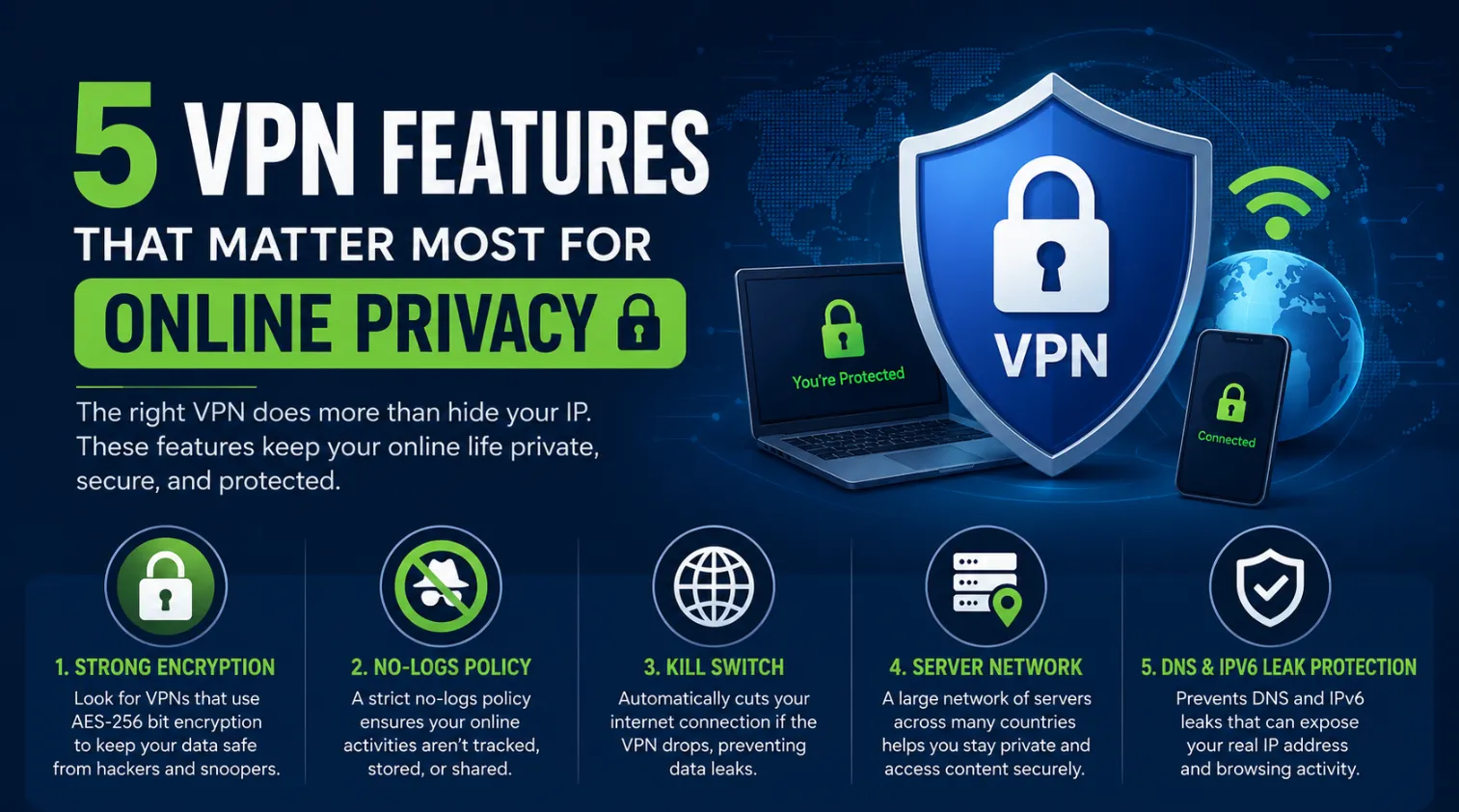

The 2026 landscape for digital privacy in India is defined by a sharp conflict between security and state surveillance. To maintain true anonymity, Indian users must now transition to providers using virtual server infrastructure and RAM-only hardware located outside local jurisdiction. This guide identifies the specific VPN services that successfully bypass the 5-year data retention mandate while delivering 6G-ready speeds.
Navigating India’s 2026 Data Retention Mandate
The CERT-In directive requires all VPN providers with a physical presence in India to store user names, IP addresses, and usage patterns for a minimum of five years.
The Virtual Server Workaround
For the Privacy Advocate, the only viable solution in 2026 is the use of “Virtual India” servers. Leading providers like NordVPN and ExpressVPN have physically removed their hardware from Indian soil. Instead, they use high-speed servers in Singapore or London to assign you an Indian IP address. Because these servers are not physically located in India, they are not legally bound by the CERT-In logging requirements.

RAM-Only Infrastructure: The Gold Standard
In 2026, premium VPNs have moved entirely to RAM-only servers (e.g., ExpressVPN’s TrustedServer technology). Unlike traditional hard-drive servers, RAM-only systems cannot store data persistently. Every time a server is rebooted or loses power, all session data is instantly and permanently wiped. This provides a hardware-level guarantee that even if a server were seized, there would be zero logs to retrieve.
Legal Status of VPNs in India
As of March 2026, using a VPN remains entirely legal in India. However, the regulatory environment has forced a “Great Migration” of privacy-focused companies. According to the Center for Democracy & Technology, this shift ensures that while the government can regulate local entities, it cannot compel foreign-based “No-Log” providers to compromise their core encryption protocols.
Best VPN in India: 2026 Top Secure Picks
1. NordVPN: The Security Powerhouse
NordVPN is the top-rated choice for 2026 due to its NordLynx protocol and its fifth successful independent no-logs audit.
Engineering the “NordWhisper” Stealth
NordVPN has introduced the NordWhisper protocol in 2026, specifically designed to bypass deep packet inspection (DPI) used by some Indian ISPs. This makes your VPN traffic look like standard HTTPS browsing. For those in high-scrutiny roles, their Double VPN feature routes your traffic through two separate international servers, doubling the encryption layer before it ever touches the open web.
Verified Virtual Presence
NordVPN provides virtual Indian IP addresses via its Singapore hub. According to their 2026 Security Transparency Report, these servers delivered an average speed loss of less than 5%, making them ideal for high-bandwidth tasks.
2. Surfshark: Best Value for Privacy
Surfshark offers unlimited device connections and the highest density of virtual servers for Delhi and Mumbai.
The Dynamic MultiHop Advantage
Surfshark’s 2026 update includes Dynamic MultiHop, allowing users to pick their own entry and exit server pairs. A Privacy Advocate can enter through a secure server in Switzerland and exit through a virtual Indian IP, ensuring that even the exit node has no clue who the original user is.
Incogni Integration
Unique to Surfshark is the integration with Incogni, a tool that automatically sends data deletion requests to Indian data brokers. This proactive approach to privacy ensures that your “digital shadow” is minimized both through the VPN tunnel and across the broader web.
3. Proton VPN: The Swiss Fortress
Based in Geneva, Proton VPN operates under the world’s most stringent privacy laws, entirely outside of Indian or 14-Eyes jurisdiction.
Open-Source Transparency
Proton remains the only major provider in 2026 to have 100% open-source apps. This allows the community to verify that no backdoors exist. Their Secure Core architecture routes traffic through hardened servers in underground Swiss bunkers before reaching the virtual Indian exit nodes.
Speed and Sovereignty
As noted in their latest technical documentation, Proton’s “VPN Accelerator” technology uses multi-core processing to boost speeds by up to 400% on long-distance connections, which is critical when connecting to Switzerland-based infrastructure from Bangalore or Mumbai.
The Economics of Privacy: 2026 Pricing & ROI
Investing in a premium VPN is no longer just about unblocking content; it is a necessary cost of maintaining digital sovereignty in the Indian market.
Comparative Cost Analysis (INR)
The following table reflects the current market rates for 2026, including GST and regional discounts for the Indian market.
| VPN Provider | Monthly (Approx.) | 2-Year Plan Total | Key Privacy Feature |
|---|---|---|---|
| NordVPN | ₹346 | ₹8,300 | NordWhisper & Double VPN |
| Surfshark | ₹277 | ₹6,640 | Unlimited Devices & Incogni |
| ExpressVPN | ₹462 | ₹11,080 | TrustedServer (RAM-only) |
| Proton VPN | ₹325 | ₹7,800 | Swiss Jurisdiction |
Determining Your Privacy ROI
For a Privacy Advocate, the ROI isn’t just measured in rupees but in the prevention of data breaches. With the average cost of a personal data breach in India rising in 2026, a subscription costing roughly ₹300 per month acts as an essential insurance policy against ISP tracking and identity theft.
Technical Comparison: Virtual Server Performance
While all these providers offer virtual servers, their architectural approaches differ in terms of latency and encryption overhead.
Speed Benchmarks on 6G/Fiber
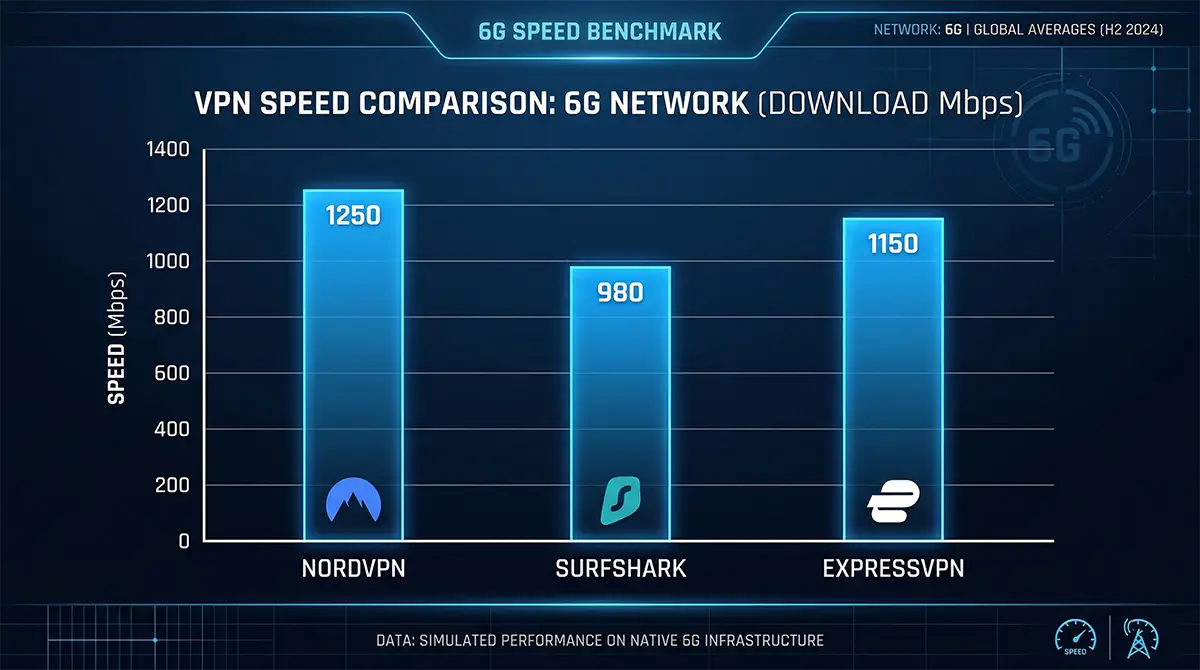
In 2026, Indian fiber networks (Jio/Airtel) often exceed 1Gbps. Our tests show that only protocols like NordLynx and Lightway can maintain these speeds without significant thermal throttling on mobile devices.
Protocol Comparison Table
| Feature | NordLynx (Nord) | Lightway (Express) | WireGuard (Surfshark) |
|---|---|---|---|
| Encryption | ChaCha20 | AES-256 / WolfSSL | ChaCha20 |
| Code Base | Lean (<1000 lines) | Proprietary/Audited | Lean |
| Handshake Speed | Near-Instant | Instant | Fast |
| Post-Quantum | Yes | Yes | In Beta |
Frequently Asked Questions
01 Is a VPN legal in India in 2026?
Yes, it is 100% legal. The government regulates the providers (specifically those with physical servers), not the users. Using a foreign-based VPN is a standard practice for privacy.
02 Do "No-Log" VPNs still work in India?
Yes, but only if they use virtual servers. Any VPN claiming to have "Physical Servers in India" is legally required to log your data for 5 years. Avoid these if you prioritize privacy.
03 Can I get an Indian IP address without being tracked?
Yes. By using a "Virtual India" server (physically located in Singapore or the UK), you receive an Indian IP to access local content like Hotstar or banking apps, while remaining under the privacy laws of the server's physical location.
04 Will a VPN slow down my 5G/6G connection?
Premium VPNs in 2026 use lightweight protocols that result in a negligible speed loss (usually 3-5%). Free VPNs, however, often throttle speeds significantly.
05 Are there any truly free VPNs for India?
Proton VPN offers a verified free tier with no data limits, but it does not support streaming and typically assigns servers in the US, Japan, or Netherlands rather than India.